Signs of Dehydration in Adults, Children and Babies
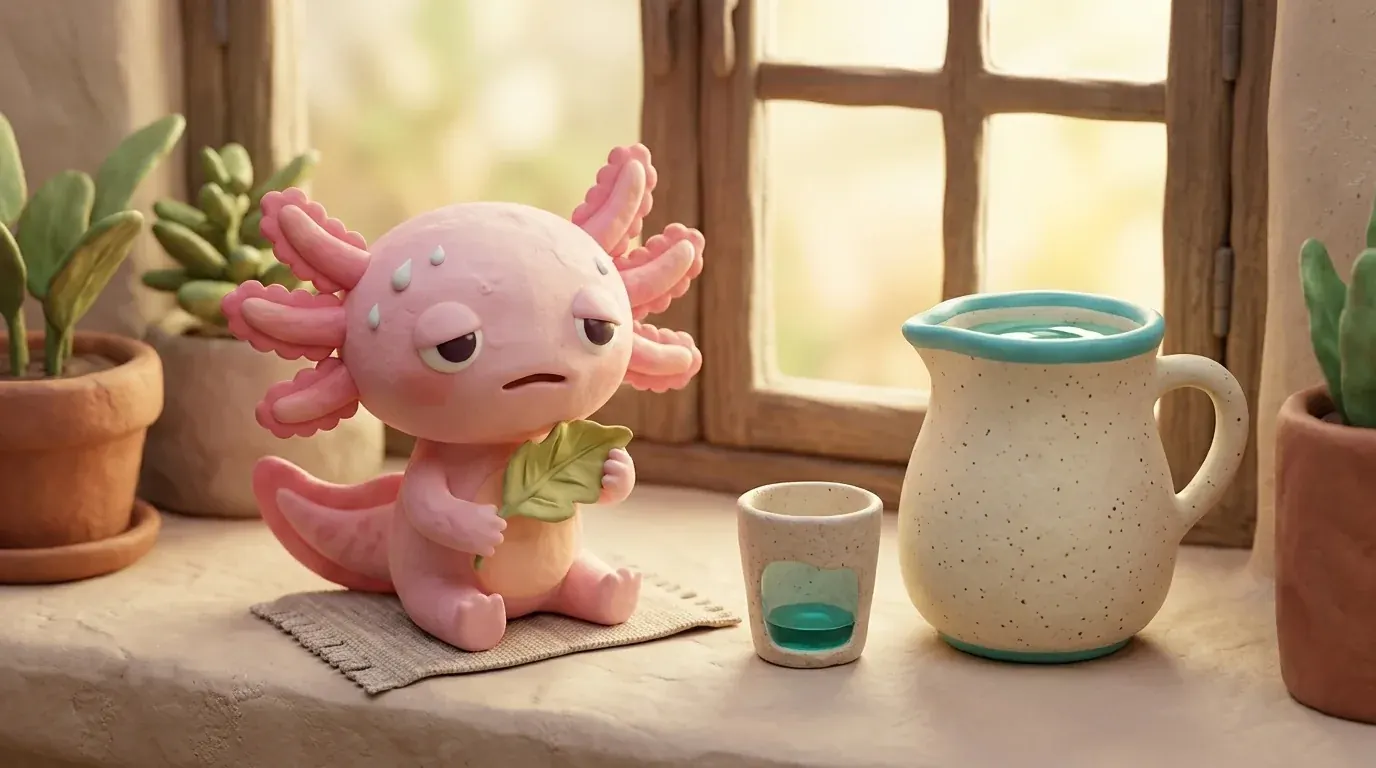
Signs of dehydration include feeling thirsty, dark yellow and strong-smelling pee, peeing less often than usual, a dry mouth, a headache, tiredness and feeling dizzy or light-headed. Babies may also have a sunken soft spot on the head, few or no tears and fewer wet diapers. For mild dehydration the advice is to drink more fluids, but some signs, such as confusion or cold, blotchy skin, need medical help right away.
Common signs of dehydration in adults and children
The NHS, the UK's national health service, lists these symptoms of dehydration in adults and children:
- feeling thirsty
- dark yellow, strong-smelling pee
- peeing less often than usual
- a headache
- feeling dizzy or light-headed
- feeling tired
- a dry mouth, lips and tongue
- sunken eyes
MedlinePlus, the US National Library of Medicine's health site, adds a few more mild-to-moderate signs: a dry or sticky mouth, dry and cool skin, and muscle cramps.
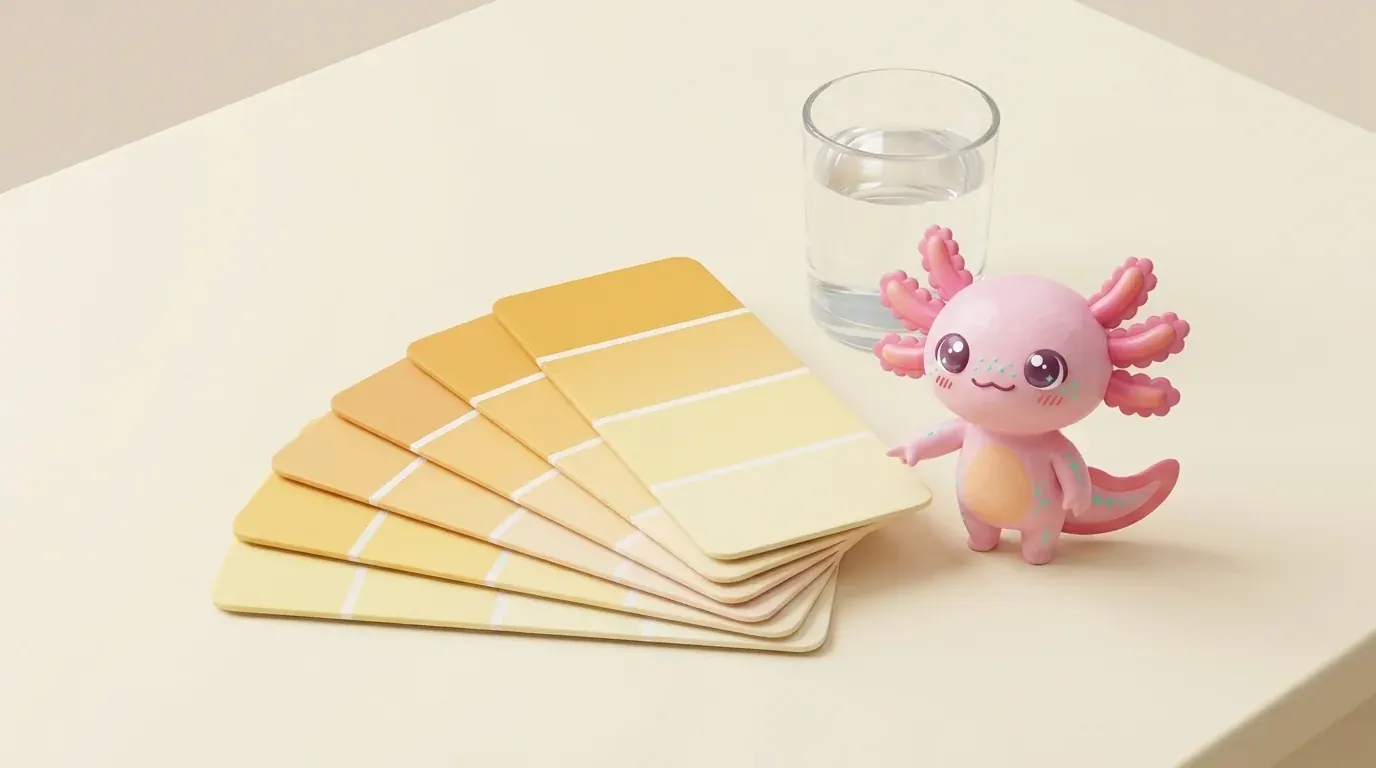
Pee is one of the easiest things to check. The NHS suggests drinking enough during the day that your pee is a pale color. Our guide to urine color and hydration explains what other colors can mean.
Signs that dehydration is getting serious
MedlinePlus lists a rapid heartbeat, sunken eyes, and unconsciousness or delirium among the signs of severe dehydration. These are not wait-and-see symptoms. The section on getting help below explains what to do.
Signs of dehydration in babies and young children
Babies can't tell you they're thirsty, so the adults around them have to watch for the signs. According to the NHS, a dehydrated baby may have:
- a sunken soft spot (fontanelle) on top of their head
- sunken eyes
- few or no tears when they cry
- fewer wet diapers than usual
- drowsiness or irritability
Older children can show the same signs as adults. Young children also depend on others to give them drinks, and the NHS counts babies and children among the groups most at risk.
A note on water for babies: the NHS says fully breastfed babies don't need any water until they've started eating solid foods, while formula-fed babies under 6 months may need small sips of cooled boiled water during hot weather. If you're unsure what your baby needs, ask your doctor or health service.
Who is most at risk
The NHS says babies, children and older adults are more at risk of dehydration. Older adults face an extra problem: thirst becomes a less reliable signal with age. The US National Academies' report on water notes that "thirst and fluid intake are impaired in the elderly," and the National Athletic Trainers' Association says thirst sensitivity decreases beyond age 50. So waiting until you feel thirsty works less well later in life.
MedlinePlus adds that people with certain diseases, such as diabetes, are also at higher risk. The NHS lists situations that make dehydration more likely:
- having diabetes
- vomiting or diarrhea
- spending too long in the sun or heat
- drinking too much alcohol
- sweating a lot after exercise
- having a high temperature
- taking medicines called diuretics
- relying on other people to bring you drinks
Hot weather deserves its own plan. See how to stay hydrated in hot weather for the heat-specific advice.
What to do about mild dehydration
The NHS advice for mild symptoms is simple: drink fluids. If you feel nauseous or have been vomiting, start with small sips and drink more gradually.
- Oral rehydration solutions. A pharmacist can recommend these. They're powders you mix with water and then drink.
- For children, the NHS suggests giving regular small sips of rehydration solution, and says not to give young children fruit juice or fizzy drinks.
- While you have symptoms, the NHS advises avoiding caffeinated drinks and alcohol. That advice is for when you're already dehydrated. On an ordinary day, the NHS says tea and coffee count toward your daily fluid intake.
If a doctor has told you to limit fluids (for example for heart failure or kidney disease), follow their limit rather than general advice, and ask them what to do when you're ill.
When to get medical help
Some signs mean dehydration needs more than a glass of water. The lists below follow the NHS wording; phone numbers differ by country, so use your own health service's urgent advice line or local emergency number.
Get urgent advice
The NHS says to ask for an urgent appointment with your family doctor or contact NHS 111, its urgent advice line, if:
- you're unusually tired, or your child seems drowsy
- you feel dizzy when you stand up and it doesn't go away
- you have dark yellow pee or you're peeing less than normal, or your baby has fewer wet diapers
- you or your child are breathing quickly or have a fast heart rate
- your baby or child has few or no tears when they cry
- your baby has a sunken soft spot (fontanelle) on their head
For a child under 5, the NHS says to call 111 if you need advice. Outside the UK, contact your child's doctor or your local urgent advice service.
Call your local emergency number
The NHS says to call 999 or go to A&E (the emergency department) if someone has signs of dehydration and:
- blue, grey, pale or blotchy skin, lips or tongue
- skin that feels cold
- difficulty breathing, or is taking lots of quick breaths
- confusion
- is sleepier than normal or difficult to wake
MedlinePlus, a US source, says to call 911 or the local emergency number if the person loses consciousness at any time, has a fever over 38.8 °C (102 °F), or doesn't improve despite treatment.
Preventing dehydration day to day
For most healthy people, everyday drinking does the job. The National Academies note that "in general, normal hydration is maintained by thirst mechanisms and normal drinking behavior," with thirst and drinks at meals doing most of the work. The NHS suggests drinking regularly throughout the day, and says you may need more fluids when you're in a hot environment, physically active for long periods, ill or recovering from illness, or pregnant or breastfeeding. For typical daily amounts, see how much water should you drink a day.
If you know you tend to forget, or you care for someone who relies on others for drinks, fixed times help: a drink with each meal, a glass by the bed, a bottle within reach. Reminders on a phone or watch can help too. Hydrolotl, the app behind this blog, sends them, with quiet hours for the night.
FAQ
What are the first signs of dehydration?
Feeling thirsty, dark yellow and strong-smelling pee, and peeing less often than usual are among the signs the NHS lists, along with a dry mouth, a headache and feeling tired or light-headed.
How can I tell if my baby is dehydrated?
Look for a sunken soft spot on the head, sunken eyes, few or no tears when crying, fewer wet diapers than usual, and drowsiness or irritability. The NHS lists a sunken soft spot, few tears and fewer wet diapers as reasons to get urgent advice, so contact a doctor or your local advice line promptly.
Can you be dehydrated without feeling thirsty?
Yes, especially later in life. Thirst sensitivity decreases with age, and the National Athletic Trainers' Association notes this beyond age 50. Babies and people who rely on others for drinks can't always act on thirst either, so other signs, like pee color, matter.
What should I drink when I'm dehydrated?
Water or other fluids, in small sips at first if you feel nauseous. A pharmacist can recommend an oral rehydration solution, and the NHS advises avoiding caffeine and alcohol while you have symptoms.
Sources
- NHS (2026). Dehydration
- MedlinePlus (2025). Dehydration
- NHS (accessed 2026). Drinks and cups for babies and young children
- NHS (accessed 2026). Water, drinks and your health
- Institute of Medicine, National Academies (2005). Dietary Reference Intakes for Water, Potassium, Sodium, Chloride, and Sulfate, chapter 4: Water
- McDermott et al. (2017). National Athletic Trainers' Association Position Statement: Fluid Replacement for the Physically Active
This article is general information, not medical advice. If you have a health condition or your doctor has given you a fluid limit, follow their advice.